Profitable Home Based Business Ideas to Start Today

Starting a business from home used to seem like an afterthought-something people tinkered with after work or on weekends. But that's not really the case anymore. These days, real businesses kick off from kitchen tables, spare bedrooms, or even a laptop in a busy coffee shop.
What's wild about this change is just how easy everything's become. Better tools, smarter platforms, and customers already shopping online-if you've been toying with an idea, honestly, now's a pretty good time to go for it. So let's break down how these home business ideas actually work and which ones can put real cash in your pocket.
Home Based Business Ideas That Actually Make Money
Not every idea works out, and that's fine. The trick is picking something that fits your skills, your lifestyle, and just how willing you are to learn new stuff. Here's the thing-most winning home businesses don't need big money upfront. Consistency beats capital every time.
Freelance services from your laptop
Freelancing's probably the easiest way to kick things off from home. If you can write, design, edit videos, manage social pages, or wrangle data, people want your help. Sites like Upwork or Fiverr make finding clients simple.
You don't need a fancy office-a laptop and Wi-Fi do the job. Just have a clear portfolio handy.
Some popular freelance gigs:
- Writing blog content
- Designing graphics with Canva or Adobe
- Running social media for small brands
- Editing videos in Premiere Pro
It might feel slow at first, but land a couple of clients and word-of-mouth starts working for you.
Selling digital products online
Digital products are big in the home business game. Why? Because you make them once and sell them over and over.
Stuff like:
- eBooks
- Online courses
- Printable planners
- Resume templates
Platforms like Etsy, Gumroad, Teachable-all pretty straightforward. No inventory, no shipping mess, barely any overhead. It's one of the smartest ways to get started without spending much.
Don't Miss: The Impact of Social Media on Book Sales and Trends
Small Business Ideas From Home With Physical Products
Some people don't want to stare at screens all day. If you like making things, try a product business.
Handmade or custom products
Do you enjoy making candles, jewelry, personalized gifts, and home decor? Great. Put your stuff online.
Etsy and Shopify are the go-to places. But here's a secret-people often love the personal touch more than slick perfection. Handmade and unique, beats factory-churned all day.
Reselling and flipping products
This one's perfect for beginners. You buy stuff cheaply and sell it for more.
You find products at:
- Thrift stores
- Garage sales
- Clearance racks
- Online marketplaces
Then resell on eBay, Facebook Marketplace, Amazon, wherever. It's simple. Plus, you pick up essential skills like pricing, negotiation, and talking to customers.
Work From Home Business Ideas With Online Reach
Location doesn't matter much for these. That means faster growth.
Starting a content-based business
Building a blog, YouTube channel, or niche Instagram can turn into a solid business now. You make money through ads, sponsorships, affiliate links, and selling your own stuff.
It's slow in the beginning, no denying that. But if you stick it out, income eventually settles in. For example, a budgeting blog might earn money through affiliate links to money apps and products.
Drop shipping and ecommerce stores
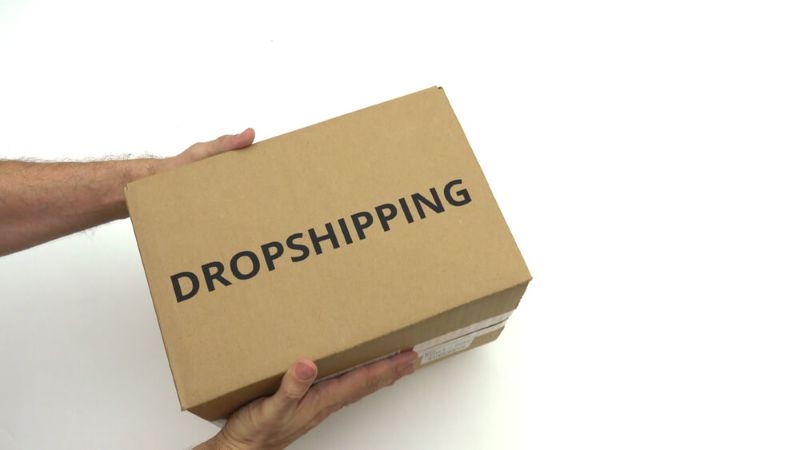
Drop shipping gets thrown around a lot for good reason. You sell products in an online store, but don't deal with inventory. Orders go straight to suppliers who handle the shipping.
Shopify and WooCommerce make setting up a breeze. The only catch? Lots of competition. Winning here means picking the right products and standing out with clear marketing. It's affordable and accessible to newbies.
Low-Cost Business Ideas That Require Minimal Investment
Money stress keeps lots of people from starting, but honestly, you can launch with barely anything.
Virtual assistant services
Small companies always need help handling emails, scheduling, sorting customer questions, and data entry.
You don't need a huge skill set to begin-just be organized and dependable. Sites like Belay and Freelancer help you land your first few clients.
Online tutoring or coaching
Good at math, languages, fitness, music, or even career advice? Teach it online. Apps like Zoom, Google Meet, and Wyzant-they make connecting easy. Flexible, impactful, and sometimes surprisingly lucrative.
Suggested Reading: How Digital Platforms Are Reshaping the Literary World?
Home Business Ideas For Beginners Who Want Flexibility
Not everybody wants the stress of going full-time. Sometimes you just want something to test out or work on alongside your job.
Print-on-demand businesses
You design stuff-shirts, mugs, tote bags-then when someone buys, a partner prints and ships for you. Printful and Redbubble handle the heavy lifting. You focus on making cool designs and getting the word out.
Affiliate marketing as a side business
This is practically the simplest way to start making money online. You promote products with a special link, and if someone buys, you get paid.
You can do it through blogs, social posts, and email newsletters-no need to create a product yourself. That's why so many beginners start here.
Turning Ideas Into Real Income Streams
Ideas are nice, but real income depends on sticking with them.
Start small and test your idea
You don't need a perfect launch. Start simple-offer one service, sell one product. See what happens, tweak as you go. That's actually the best thing about home businesses-you can adjust fast.
Build trust and credibility
People don't buy just stuff-they buy trust. Basic things help a lot:
- Clean website or profile
- Fast, friendly replies
- Do what you promise
Sounds obvious, but many skip this and wonder why business stalls.
Use tools that make things easier
Loads of tools make business easier-Canva for graphics, Shopify for stores, Stripe and PayPal for payments, and Google Workspace to stay organized. They keep things running with less effort.
Also Read: Building a Strong Employer Brand: Key to Recruitment Success
Conclusion
These days, launching a business from home feels normal-almost expected. With digital tools and flexible schedules, it's actually one of the best ways to build your income.
Honestly, the hardest part isn't finding business ideas. It's picking one and actually sticking with it. No matter if it's freelancing, ecommerce, tutoring, or making content, the path looks pretty similar: Start, keep going, keep getting better.
FAQs
How long does it take to make money from a home based business?
Depends on the business type and how much work you put in. Freelancing can pay out in a few weeks; content-driven projects usually take longer. Consistency matters most.
Do I need to register a business to start from home?
In many cases, you can start small without formal registration. However, as your income grows, registering your business and handling taxes properly becomes important for legal and financial reasons.
What skills are most useful for home based businesses?
Skills like communication, time management, and basic digital literacy are very helpful. Depending on the business, skills like writing, design, or marketing can give you an added advantage.
Can I run a home based business while working a full time job?
Yes, many people start their businesses as side projects. The key is managing time effectively and choosing a business model that fits your schedule without causing burnout.
This content was created by AI