What Are the Best Books to Read for Your Next Great Pick?
Key Takeaways
- The best books to read are the ones you actually finish, so pick for your mood, not for bragging rights.
- Give a book fifty pages. If it hasn't hooked you by then, walk away.
- Must-read books can be anything, as long as you mix old and new, fiction and fact.
- Good books to read for adults usually have people you believe in and one idea you keep thinking about.
- Books everyone should read feel lighter when you alternate an idea book with a story.
You're standing in front of a full bookshelf or scrolling a never-ending list, and nothing feels right. Sound familiar? Most readers hit this wall more often than they admit.
This guide gives you the best books to read across moods, genres, and busy schedules, plus a few picking rules that actually work. September paperback roundups are highlighting Margaret Atwood's memoir Book of Lives and Kiran Desai's novel The Loneliness of Sonia and Sunny, so both of those are in here too.
Ready? Let's find you something good.
How Do You Choose Good Books to Read?
Good books to read tend to open strong, put something at stake early, and give you a person worth caring about. You don't need a fancy system to find them. These three simple rules cover most of it, and each takes a few minutes at most.
1. Match the Book to Your Mood
Tired after a long day? Grab something cozy. Feeling sharp on a quiet Saturday? That's the time for the challenging novel you've been putting off. A light mystery can also pull you out of a reading slump faster than any classic will.
2. Try the Fifty-Page Test.
Read fifty pages. That's it. If the book still feels like a chore by then, close it and move on without any guilt. Nobody hands out medals for finishing a book you hated, and plenty of better ones are waiting on your list.
3. Match Length to Your Schedule
A three-hundred-page novel is a very different commitment from a nine-hundred-page epic. Be realistic about your week, not your best week. Audiobooks help here, since a long commute or a pile of dishes can quietly become reading time.
What Are the Best Books to Read Right Now?
It depends on your week. Got two free hours on Sunday and a quiet house? Go big and slow. Squeezing pages in between meetings? Pick something short with a fast plot. Two September paperback picks show how different good reading can feel, so here they are.
1. The Loneliness of Sonia and Sunny by Kiran Desai
Kiran Desai spent years on this one, and it shows. It's a love story that moves between India and America, packed with family drama and sharp humor. Big book, though. Save it for a stretch when you can read a little every night without rushing.
2. Book of Lives by Margaret Atwood
Atwood looks back on her long life and career in this memoir, and her dry wit comes through on nearly every page. It's the kind of book you can dip into for twenty minutes before bed. Fans of her novels will enjoy seeing the woman behind them.
Which Are the Best Books for Adults?
The best books for adults don't talk down to you, and they don't wear you out either. They leave you thinking without demanding a degree in literature. The two picks below come at that from very different angles, so try whichever one fits your mood.
1. Educated by Tara Westover
Tara Westover grew up in a survivalist family in Idaho and didn't step into a classroom until she was seventeen. Her memoir follows what happened next. It's gripping, a bit painful, and surprisingly quick to read, which makes it a smart choice for busy adults.
2. Sapiens by Yuval Noah Harari
Harari covers the whole story of humankind, from early hunters to modern tech, in one readable sweep. You won't agree with every claim, and that's part of the fun. Grab it when you're in the mood for big ideas in plain language.
Which Are the Best Books of All Time?
Nobody can crown one winner, but some books keep showing up on every serious list for a reason. They've outlived trends, wars, and a few generations of critics. If old classics feel scary, start with these three, which are easier to get into than their reputations suggest.
1. To Kill a Mockingbird by Harper Lee
Told through young Scout Finch, this story tackles racism and injustice in a small Alabama town. Scout's voice is funny and honest, which keeps the heavy parts from feeling preachy. Many people read it at school, but it hits differently when you pick it up as an adult.
2. Pride and Prejudice by Jane Austen
Elizabeth Bennet is sharp, stubborn, and often wrong, which is exactly why readers love her, and Austen's humor still lands two centuries later. Yes, it's a love story. It's also a sly look at money, class, and snap judgments. Read it when you want something warm and smart.
3. 1984 by George Orwell
Orwell's world of constant surveillance and twisted language is uncomfortable to read, and that's the point. It's short enough to finish in a week. Book clubs love it because everyone leaves with a strong opinion and a lot to argue about.
Must Try: Best Mystery Novels in 2026 for Suspense and Thriller Lovers
Which Must Read Books Fit Your Favorite Genre?
Must-read books mean different things to different people, so start with the genre you already enjoy. Try one title from each pick below. Whichever one makes you forget your phone exists is your answer. Both are easy entry points if you haven't picked up a novel in a while.
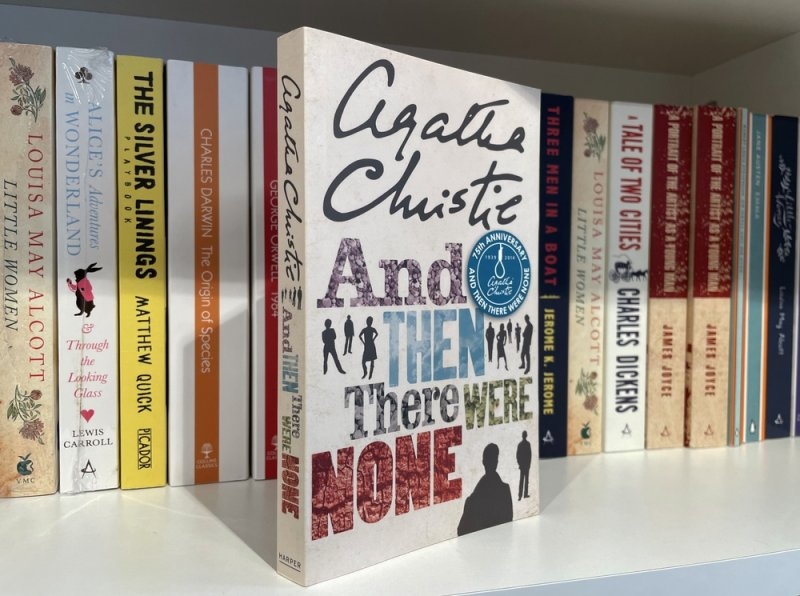
1. And Then There Were None by Agatha Christie
Ten strangers land on an island, and one by one they start dying. Christie plays fair with the clues, yet most readers still don't see the ending coming. If you catch the mystery bug, our list of the best mystery novels in 2026 is a good place to go next.
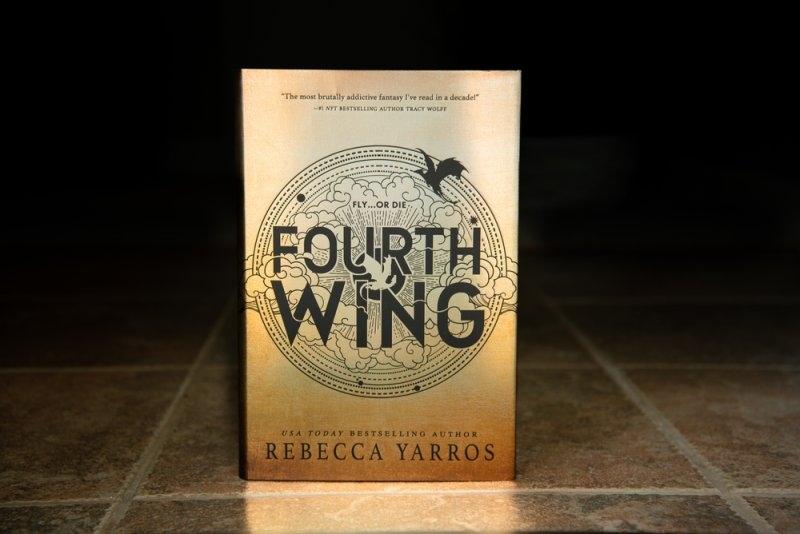
2. Fourth Wing by Rebecca Yarros
Dragons, a brutal war college, and a slow-burn romance. That's the pitch, and millions of readers bought it. If this is your kind of story, browse our roundup of romantasy books for love, magic, and adventure and stock up on your next few reads.
What Are the Books Everyone Should Read?
Books everyone should read are usually the ones that change how you see other people or how you think. No list is perfect, and yours will look different. Still, these two show up in conversations so often that they're worth a spot on your shelf.
1. Beloved by Toni Morrison
Morrison's novel won the Pulitzer Prize and follows Sethe, a formerly enslaved woman haunted by her past, in a story that blends history with the supernatural. It isn't an easy read. Take your time with it, and give yourself an evening to sit with the ending.
2. Thinking, Fast and Slow by Daniel Kahneman
Kahneman, a psychologist who won a Nobel Prize, shows how our quick instincts trick us into predictable mistakes with money and judgment. It's dense in places, so read a chapter at a time. Follow it with a novel, and your brain gets a nice change of pace.
Also Read: Must-Read Romantasy Books For Love, Magic, And Adventure
How Can You Finish the Books You Start?
Choosing a book is the easy part. Finishing it is where most of us stall. A few small habits make a huge difference, and none of them require willpower of steel. Try one for two weeks and see what changes in your routine.
1. Set a Small Daily Page Goal
Ten pages a day sounds almost too easy, and that's why it works. Do the math, and you'll finish roughly one average book a month. Leave the book somewhere you can't miss it, like on your pillow or next to your keys.
2. Join a Reading Circle
A book club, even a tiny one, gives you a deadline and a reason to care. Talking about a story afterward also helps it stick in your memory. Can't find a group? Ask one friend to read the same book and trade thoughts by text.
3. Keep a Simple Reading List
Jot down every title that catches your eye, whether it's on a notes app, a paper journal, or a library wish list. Once a month, sort it by mood. When you finish a book, the next one is already waiting, and you skip the dreaded what now moment.
Conclusion
The best books to read are the ones that fit your life right now, not the ones that look impressive on a shelf. Pick one classic, one new release, and one genre you love, then see where your curiosity leads. So, which title from this guide are you opening first tonight?
Frequently Asked Questions
Here are quick answers to the questions readers ask most before picking a new book. Skip straight to whichever one matches your situation. Each answer is short, so you can grab it and get right back to reading your book.
What Are the Best Books to Read for Beginners?
Start with something gripping and short, like To Kill a Mockingbird or The Hobbit. Stick to genres you already enjoy at first. Early wins build the habit, and longer, tougher books get easier after that.
Are Classic Novels Still Good Books to Read Today?
Yes. Classics stay good books to read because love, power, and identity never go out of style. Begin with shorter ones like 1984 or Pride and Prejudice, and skip anything that drains your energy.
What Are the Best Books for Adults Who Rarely Read?
Go for short novels with strong plots or a memoir you can't put down. Fast pacing keeps rusty readers hooked. Educated by Tara Westover is a friendly place to start because it never feels heavy.
Are Must-Read Books the Same for Everyone?
Not really. Tastes differ, so your must-read books depend on your goals and interests. Use popular lists as a rough guide, then trust your own curiosity when you decide which title deserves your time.
What Makes the Best Books of All Time So Special?
They combine timeless themes, memorable characters, and writing that moves people across generations. That staying power is why schools, critics, and everyday readers keep recommending them decade after decade, even as trends change.
This content was created by AI