The Bookstore Experience: Why Physical Stores Still Matter?

Key Takeaways
- Buying in a bookstore is a unique combination of browsing, discovery, comfort, and human interaction that cannot be replicated online.
- The Physical Bookstore vs. Online Bookstore distinction goes far beyond convenience and pricing.
- Many independent bookstores have a welcoming and local feel.
- The environment of a bookstore can affect the length of stay and the visitor's engagement with the books.
- In this blog, the psychology behind the bookstore experience explains that the act of browsing and surprising discoveries can feel good.
- A good bookstore experience allows readers to browse without feeling hurried.
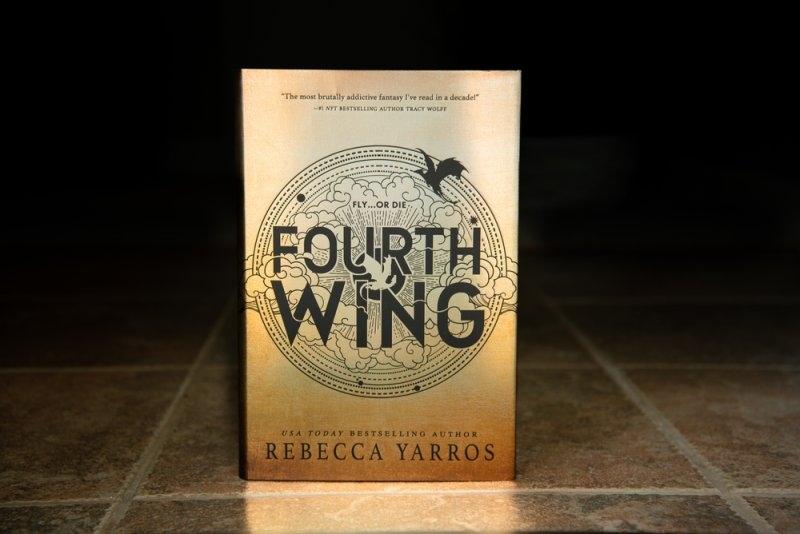
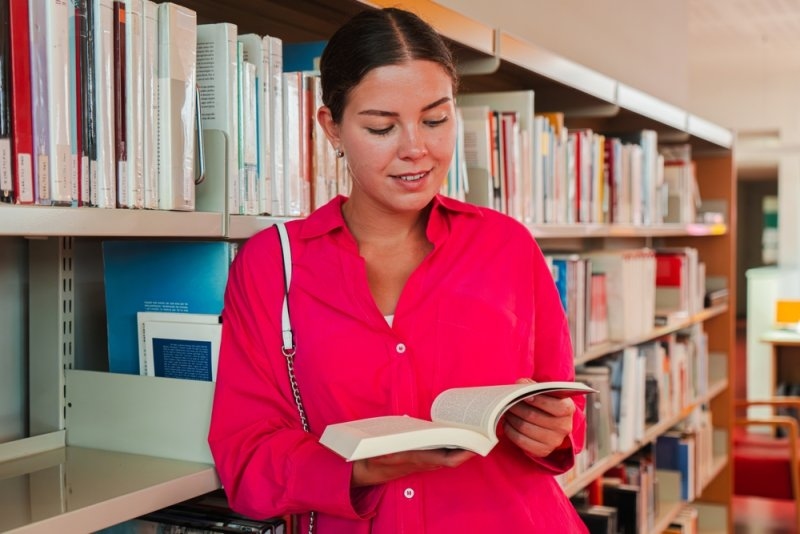
Having a bookstore experience isn't just about acquiring a book. It's a stroll through books, discovering something new, the thrill of perusing, and the coziness of hanging out with stories.
The good thing about online shopping: It's fast. But a lot of book lovers enjoy wandering the aisles, taking a book down to read the cover, the scent, and the feel of it to see if it suits their fancy.
Why the Bookstore Experience Feels Different?
The bookstore experience offers a kind of discovery that you can't fully create through an online search. You might come across an intriguing cover, grab the book from the shelf, flip through a few pages, and discover another book right next to it. Browsing can be more random and serendipitous.
Here is where we see the difference between a physical bookstore and an online bookstore. An online bookstore starts searching, recommending, and categorizing immediately. In a physical store, the environment can guide your decision. This explains why people like to visit a bookstore even if they don't have a particular book in mind.
The Psychology Behind Browsing and Discovery
It taps into the psychology of the bookstore experience: curiosity, choice, and interaction with the senses. Picking up a book, browsing and reading the covers, navigating the store's aisles, and reading on the end caps all involve small decisions that can turn book selections into something more intimate and less mundane.
Another benefit of browsing uncovered by bookstore psychology is the amount of serendipity involved. Customers come in intending to purchase one book but end up purchasing something they never thought they would buy. The ability to browse offers unexpected pleasure and is a fundamental reason why print bookstores are valuable.
How Bookstore Atmosphere Shapes the Visit?
The customer environment is another area of store influence. A relaxed, well-lit, well-organized, and comfortable environment (enough lighting to comfortably locate, choose, and examine merchandise, with seating areas to rest, and comfortable signage that isn't too loud) is very inviting. A cluttered, too-loud, noisy, or overly crowded store is something that is tiring.
A contemplative bookstore environment also enhances the bookstore shopping experience by allowing the shopper to relax. It is something to consider as to why physical bookstores are still relevant. Many patrons want a tranquil environment to explore, reflect, and disconnect from the rest of the digital world.
Why Independent Bookstores Have a Special Appeal?
The independent bookshop's identity is defined by the community it serves, the people who run it, and the people who buy books from it. They will stock books from local writers, small presses, quirky suggestions, and books that might get lost in a big online shop.
This demonstrates the answer to the question, "Why do people love independent bookstores?" Customers might have interacted with staff who are more familiar, may come into the store for readings and other local events, or get recommendations from someone who knows them better.
Physical Bookstore vs Online Bookstore: Which Experience Should I Expect?
The argument about the physical vs. online bookstore usually comes down to convenience, but the answer might come down to what the reader is after. For purposes such as buying a specific book, researching different editions, or getting the book delivered, an online store is better. For browsing and serendipity, the physical store wins.
The benefits of shopping at a physical bookstore go further than the transaction. A quick look around a store can prompt indecisive choices and lead readers to stumble upon books they wouldn't normally hunt down online. That's one of many justifications for physical book shopping vs online bookstore shopping.
The Benefits of Physical Bookstores
The advantages of brick-and-mortar stores start to make sense if going to one is regarded as an experience rather than a purchase. Readers can hold a book in their hand, compare it against a shelf, look at the illustrations, and see if it is the right heft and size before paying. Here are some of the most helpful benefits of visiting a brick-and-mortar bookshop. Let's see "Why do people enjoy visiting bookstores?"
- Tangible exploration: You can hold books in your hand, browse through pages, and feel the quality of each book before making a purchase.
- Surprise discoveries: Walking the aisles can lead folks to new authors, genres, and topics of all kinds.
- Personal recommendations: Staff can recommend books to you based on your personal interests instead of just relying on the computer's recommendations.
- Time out from screen time: Walking through a bookstore is a slower pace than that of browsing just online.
- Community Connection: Book clubs, events, and author visits can make a store into the community hangout.
These benefits of physical bookstores show why they are still relevant. It shows, "Why are physical bookstores still popular?" The real value of a store lies in the experience that is associated with buying a book rather than merely taking a book home.
What Makes a Good Bookstore Experience?
The best bookstore experience should include the ability to find a certain title easily as well as create a sense of wonder and discovery. The bookstore design, its staff, displays, and ambiance should invite people to explore. Here are the key points that make up a good bookshop experience:
- Easy browsing: Explicitly marked sections make it easy for customers to find what they are looking for, without losing the fun of shopping.
- Comfortable environment: Lighting, good seating, and a relaxing noise level can all contribute to a 'sit as long as you like' environment.
- Considerate displays: Featured tables and theme displays allow the reader to discover the best books they might not have picked up.
- Supportive staff: Sincere recommendations are the key to a more personal book shopping experience.
- Room for browsing: Customers should have space for browsing and not feel forced to buy.
Such equanimity is exactly what makes the bookstore experience. A giant scale isn't what makes a bookshop unforgettable; it's something that inspires visiting readers to relax, browse, and keep coming back.
Conclusion
The bookstore experience still counts because books aren't just products; they're objects people handle, search out, talk about, and engage with. The psychology of the bookstore experience demonstrates why browsing, sensory engagement, and serendipitous discovery can make shopping a memorable experience.
Online shops may be faster and more convenient, but what you gain by heading to a physical bookstore is the opportunity to pause, browse, and interact with books and other readers. For many readers, that's what makes a bookstore special.
Frequently Asked Questions
Do bookstores help people discover new genres?
Yes. Having sections and genres of books physically on display before the reader makes it more likely they will notice a book outside of the genres/subjects they read most. Staff recommendations and display shelving can help too.
Are bookstore visits useful for children?
Bookstore shopping can spark an interest in reading for kids by enabling them to select books. All the colorful covers, walking through various aisles, and picking up books can create an enjoyable experience.
How can bookstores encourage repeat visits?
Booksellers can make customers keep coming back by frequently changing displays, holding events, making helpful suggestions, and creating inviting environments. A change of book or a new activity will provide a reason for customers to keep coming back when they are not searching for that certain book.
Why is browsing important when buying books?
Browsing allows your readers the chance to take a look at books beyond search results and rankings. They'll have the ability to look at covers, read excerpts from the books, look at writing types, and discover different related titles.
Can a bookstore be a social space?
Yes. Bookshops can be social places by hosting reading groups, author visits, workshops, children's events, and community events. They offer the chance for readers to meet like-minded people and make new connections around books and ideas.
This content was created by AI